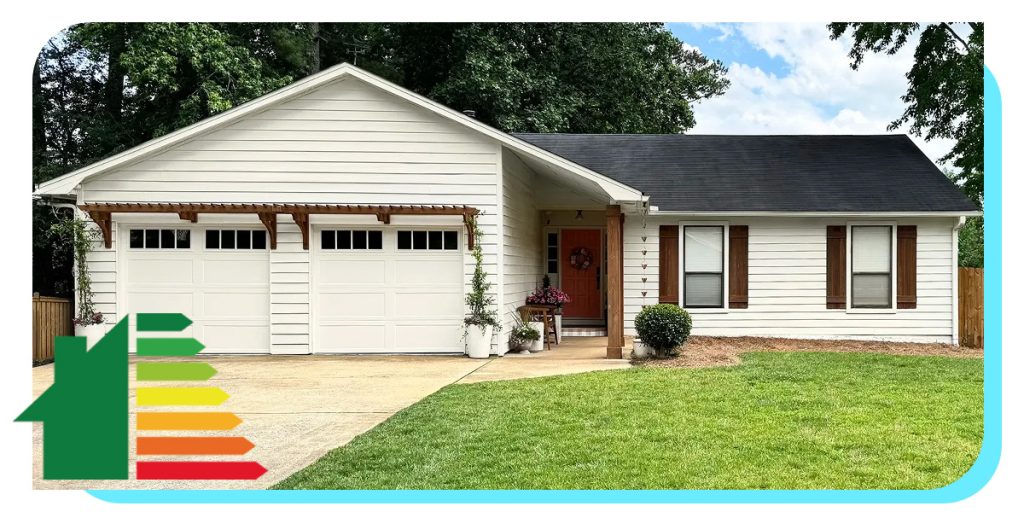
Choosing an energy-efficient garage door for a Texas home means looking for a door that helps keep the garage cooler and reduces the amount of outdoor heat entering the house. The best energy-efficient garage doors for Texas homes typically combine good insulation, a high R-value, multi-layer construction, effective weather seals and materials that reflect rather than absorb sunlight. The best choice can also depend on whether your garage is detached or attached to the house, as well as how you use the space.
Understanding what makes a garage door best for hot climates can make it easier to compare your options and choose one that suits your home.
Insulation plays a major role in a garage door’s energy performance, but it is not the only thing to consider. When comparing insulated garage doors in Texas, look at the entire door system rather than focusing only on its style. The type of insulation, R-value, weather seals and construction all contribute to how well the door handles heat.
Garage doors commonly have either polyurethane foam or polystyrene insulation.
Garage door R-value compares how well different door models resist heat transfer. For many Texas homes, particularly those with attached garages, choosing a door with a higher R-value can be beneficial. However, the ideal rating depends on several things, including how the garage is used, how much sun it receives, your budget and the specifications of the complete door system.
U-factor is another rating worth looking at. Unlike R-value, which focuses on resistance to heat flow, the U-factor measures how quickly heat moves through the assembled door. This includes areas such as the frame, joints and seals. A lower U-factor generally indicates better thermal performance.
The best garage doors for hot climates often include features such as:
Good seals help create a stronger barrier between the garage and the outside air. They limit unwanted airflow and help prevent conditioned or cooler air from escaping.
A rubber bottom seal closes against the garage floor when the door comes down, helping block drafts and outside air. Weatherstripping along the sides and top helps seal the spaces between the door and its frame.
When comparing garage doors for Texas heat, consider the material as it affects both how well the door handles heat and how long it lasts. In Texas, the most practical choices offer good insulation, hold up well in harsh weather and can help reflect the sun’s heat.
Steel provides strength and durability, while a high-quality foam core helps reduce heat transfer. For better energy performance, look for a high R-value steel door with Intellicore® polyurethane or polystyrene and a lighter, reflective finish.
Aluminum is lightweight and rust-resistant, making it especially useful in humid or coastal environments. We recommend insulated triple- or double-layer aluminum doors with reflective finishes as they are generally better suited to hot climates.
Wood is a natural thermal insulator, but wood garage doors require regular maintenance, especially when exposed to prolonged sunlight. Composite garage doors can offer a similar appearance with less maintenance. Quality composite materials can provide good thermal resistance while also being more resistant to rot and warping.
To enjoy the full benefits of an insulated garage door, consider installation quality, maintenance and glazing.
Even a well-insulated garage door can perform poorly when it is installed incorrectly. Gaps around the door, badly fitted seals or a door that does not close evenly can allow outside air to enter the garage. Professional installation helps ensure the door fits the opening correctly and that the tracks, panels and seals are positioned properly.
Garage door seals and other parts naturally wear out over time. In Texas, high temperatures and strong sunlight can speed up this process. Checking or replacing weatherstripping as part of general garage door maintenance can help your energy-efficient garage door maintain its intended performance.
Glazing refers to the glass or window material used in a garage door. Even if the door itself is well insulated, single-pane windows can allow more heat to pass through. Double-pane or low-E glass can help reduce heat transfer through window sections compared to single-pane glass.
At Viking Overhead, we offer a wide range of Clopay® garage doors, including insulated models with Intellicore insulation and different R-value options. We can help you compare materials, insulation types, glazing, seals and full door-system specifications to find an option that fits your home, garage use, climate exposure and budget.
Fill out our contact form, and we’ll help you find a garage door system that works for your home.